User Problems
Employee
Lack of clarity regarding required skills for career advancement and role elevation.
Manager
Absence of unified documentation tracking employee skill progression and career development guidance.
Design Strategy
There is never a strict design process to follow. The design strategy would change and adapt depending on the project scope, user problem, business requirements, and the team.

Product Background
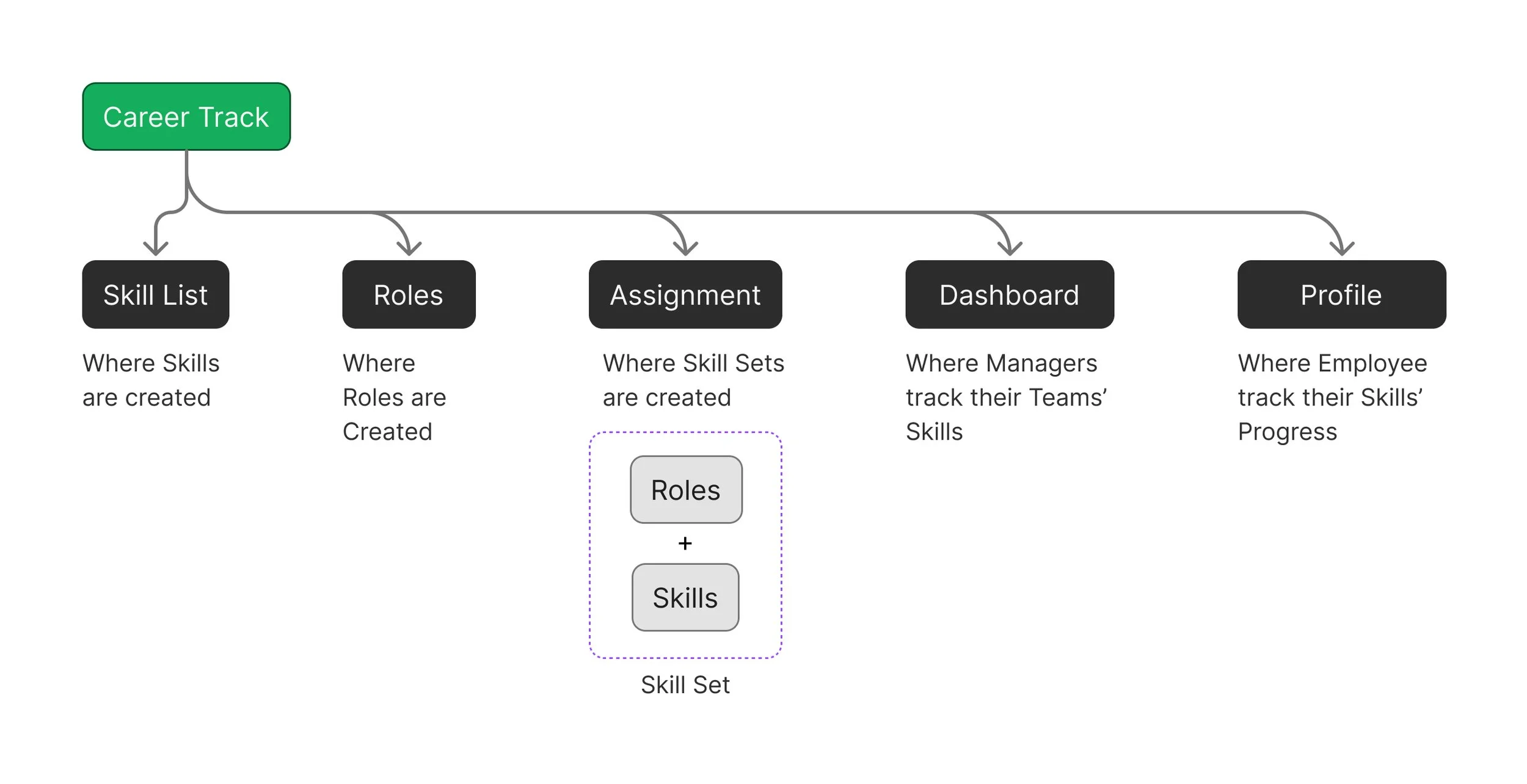
Career Track enables administrators, managers, and trainers to monitor team progress, define skill-development areas, and assign tasks based on qualifications. Employees gain visibility into assigned skills and advancement pathways.
- Skill Module
- Assignment Module
- Dashboard
Design Evolution
Skill Module
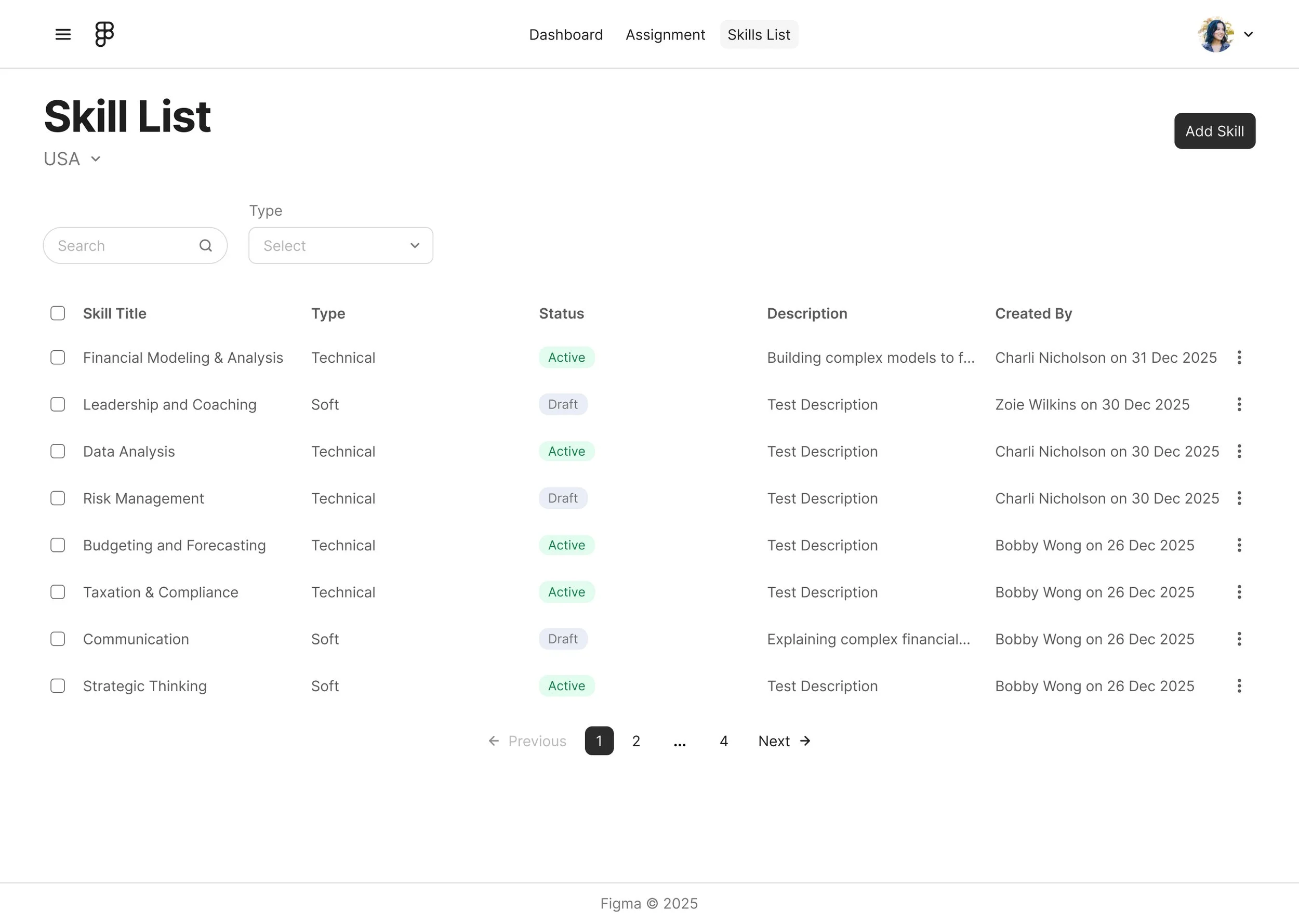
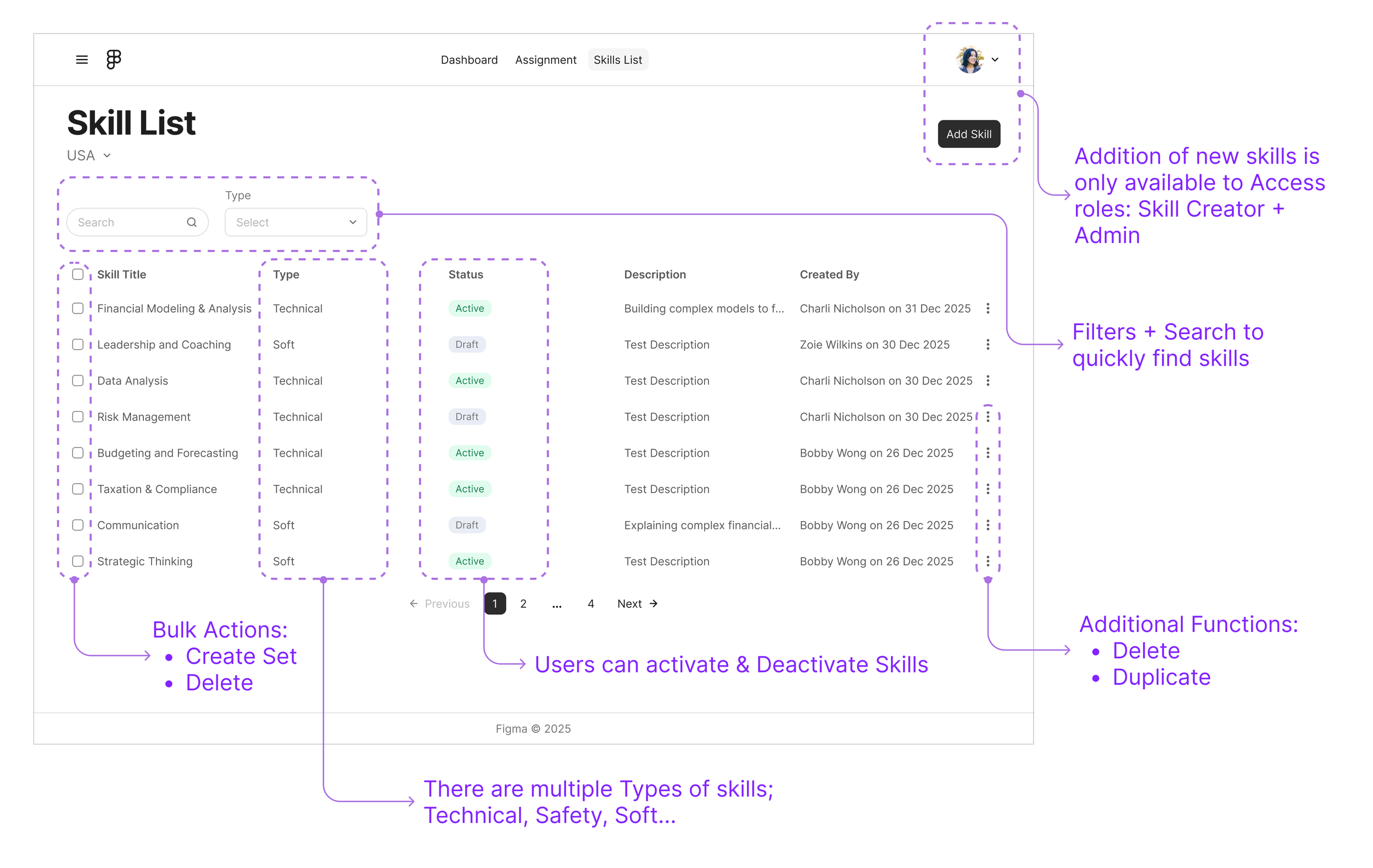
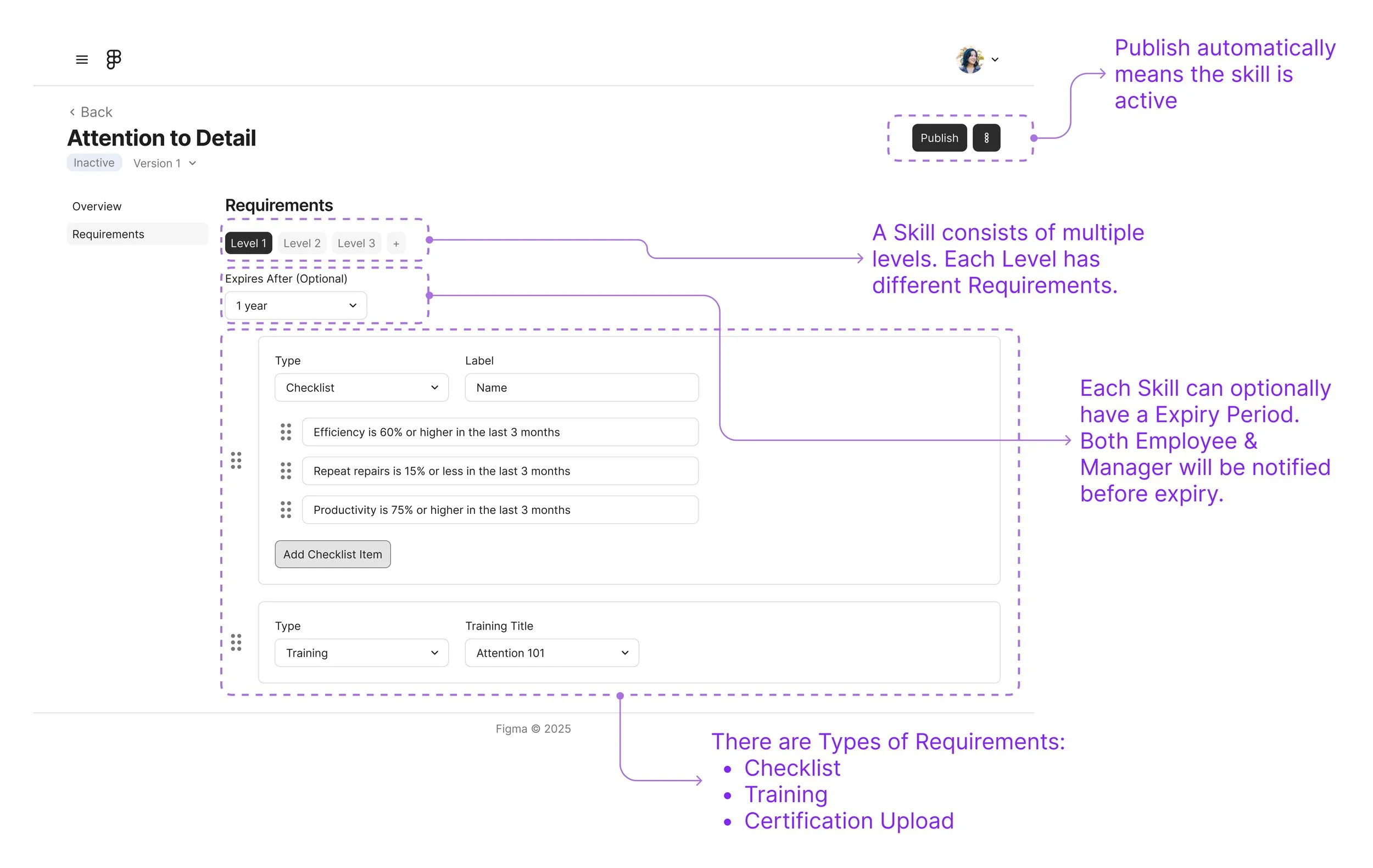
Encompasses Skill List, Skill Creation, and Skill Pages. Admins and skill creators establish competencies requested by management teams.
Assignment Module
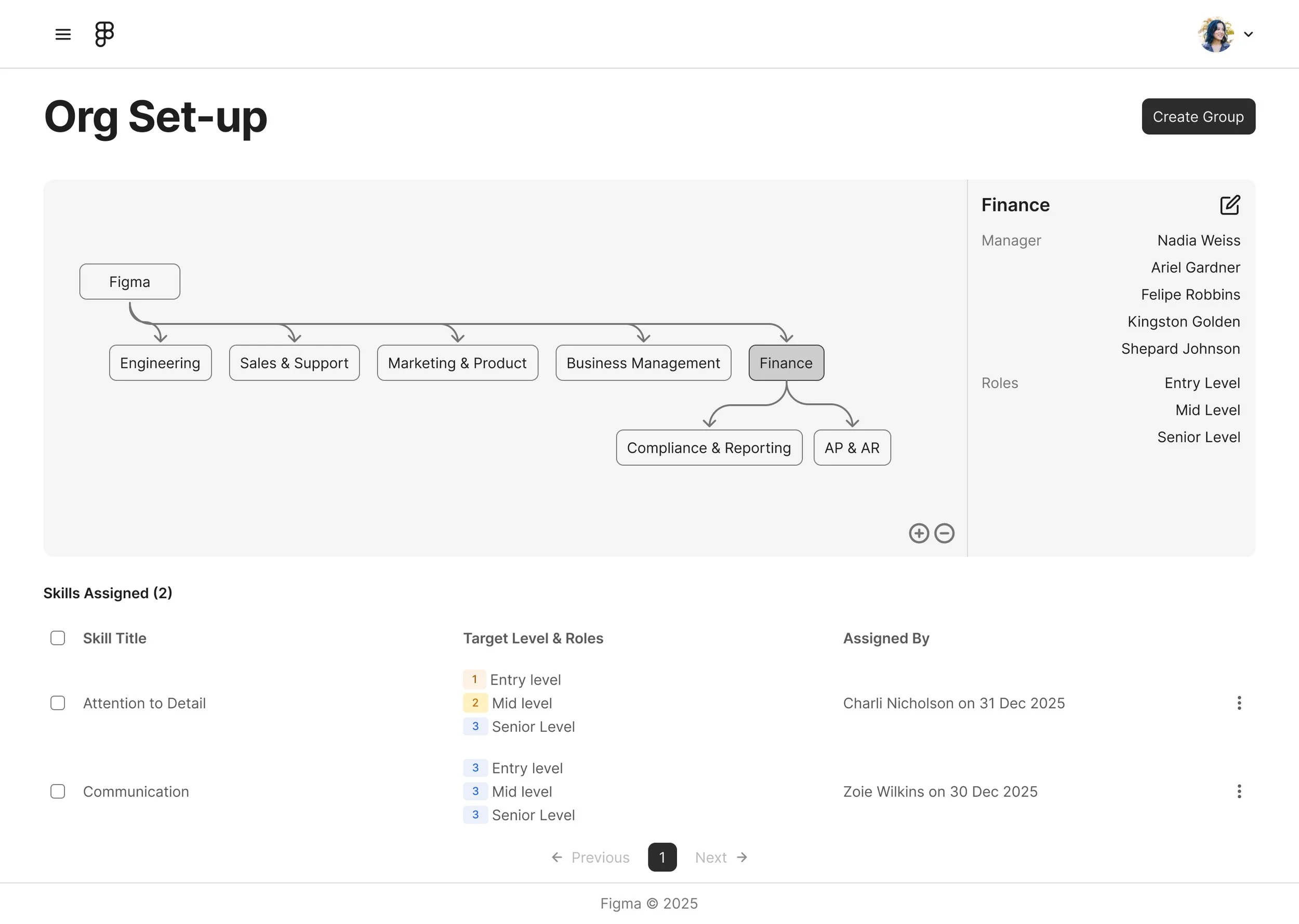
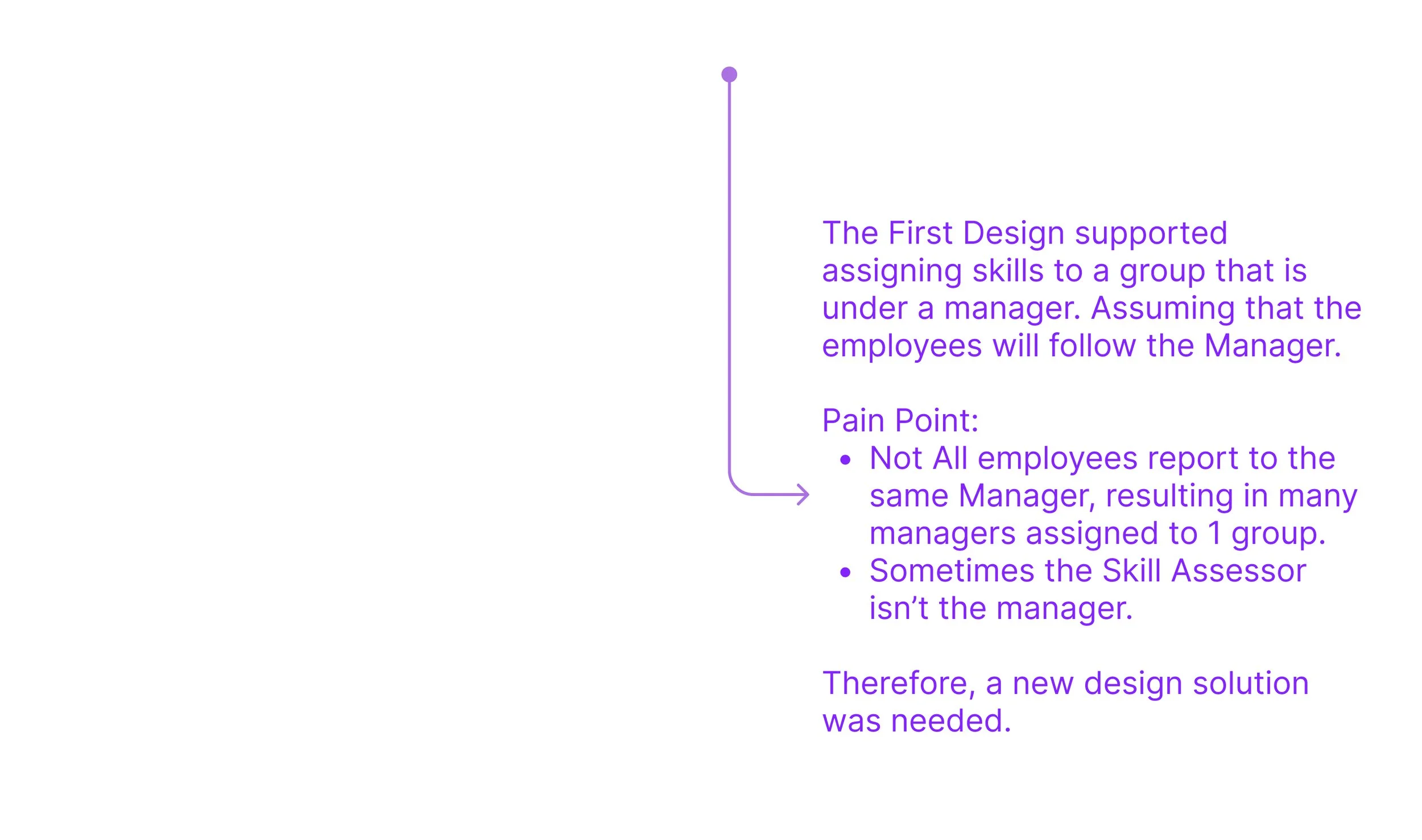
The setup interface for the dashboard experience where skill sets combining roles and skills are established for teams or role groups.
Dashboard
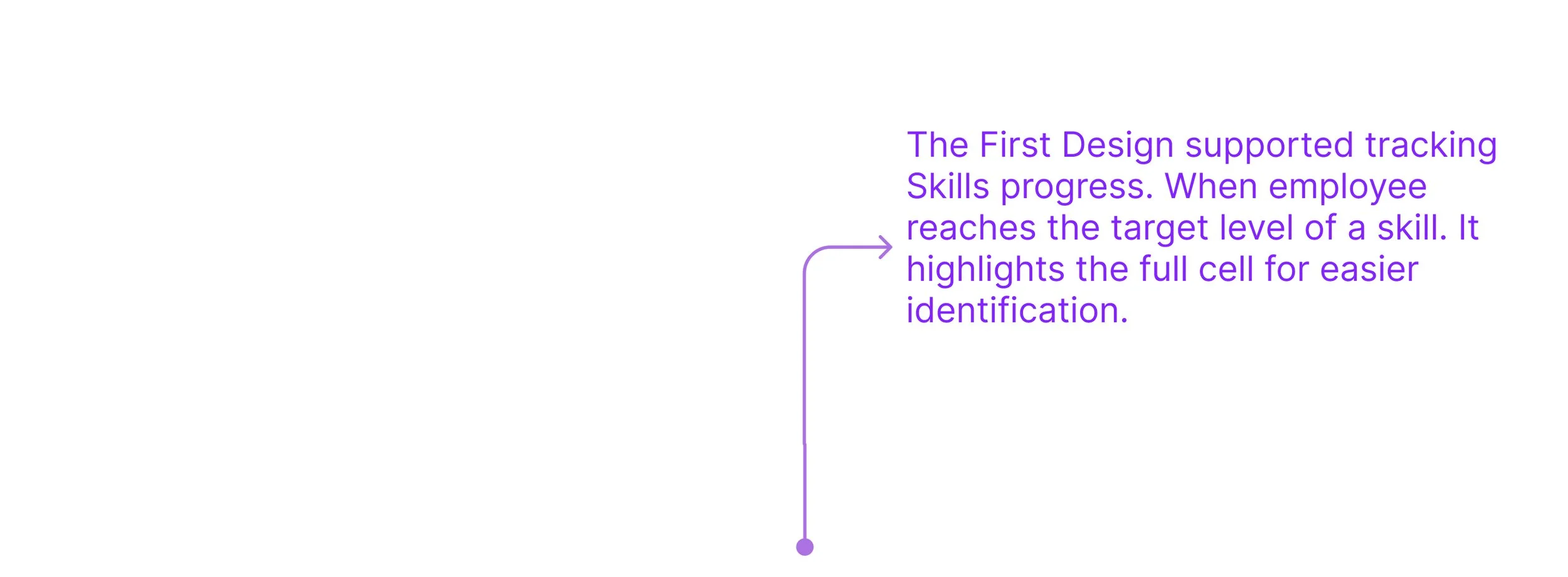
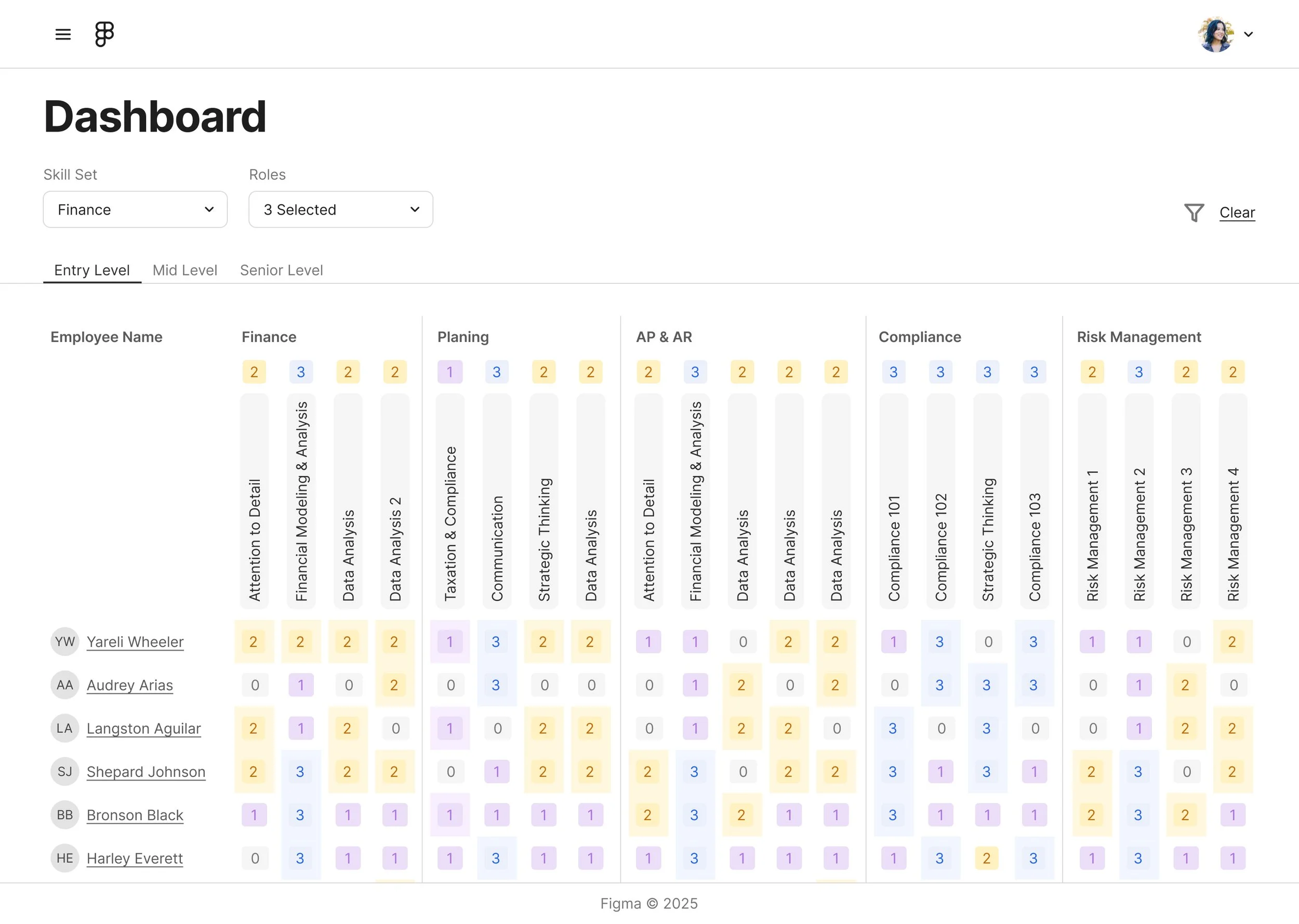
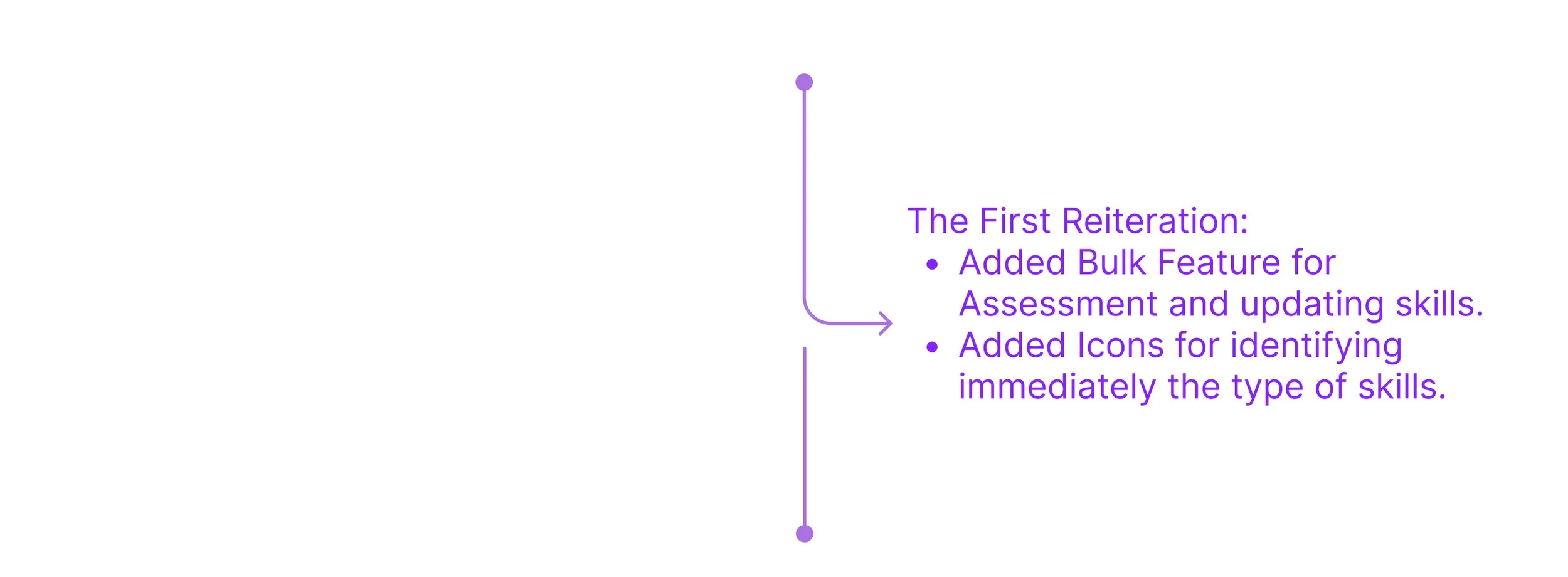
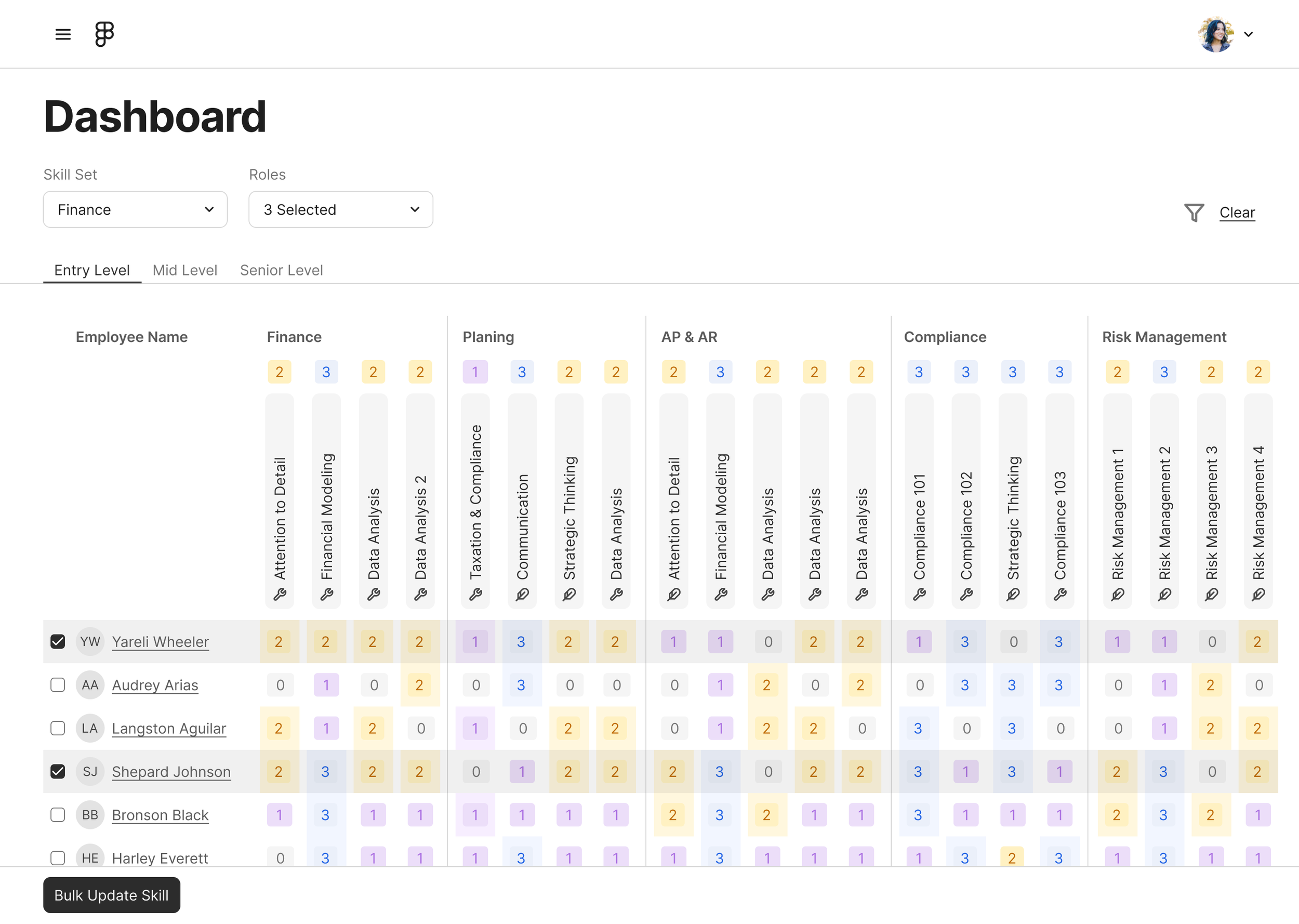
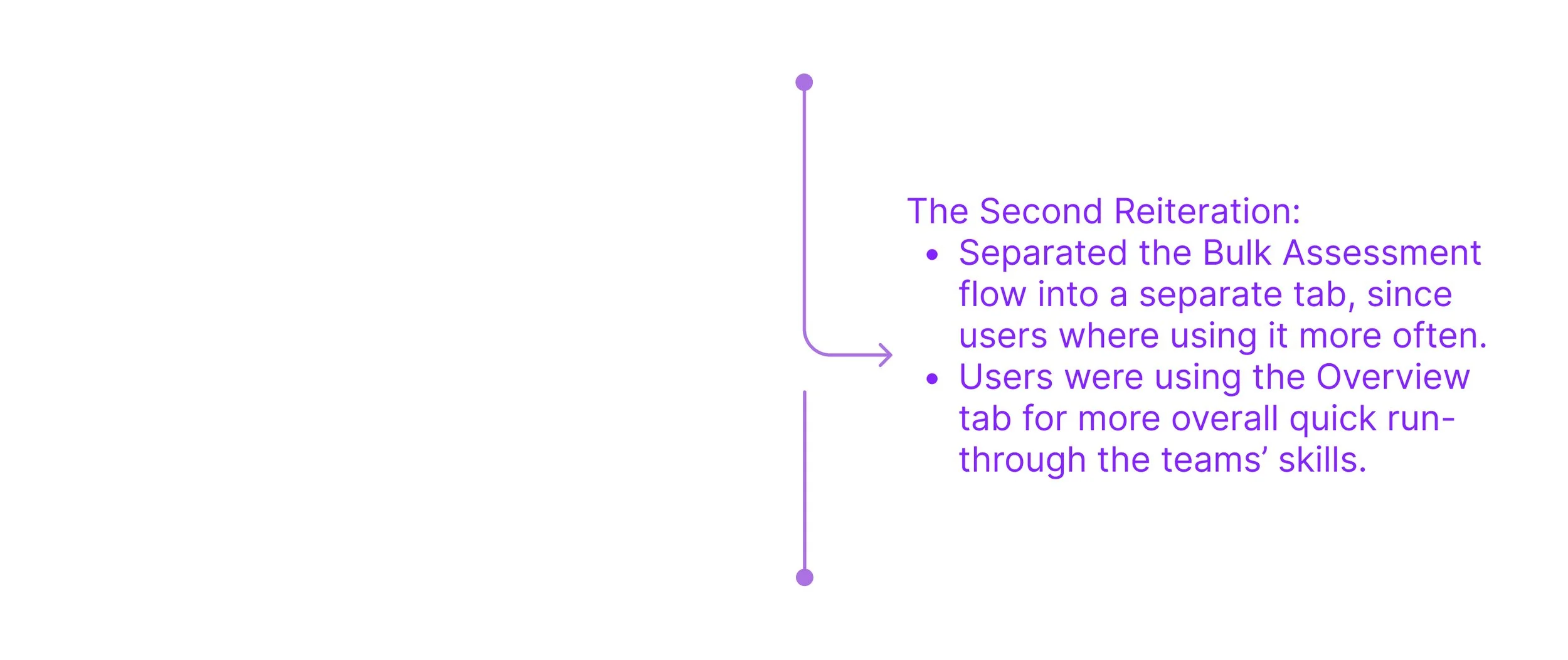
The most-used module accessible to admins, managers, and trainers. Functions as employee qualification documentation enabling manager task assignment based on demonstrated competencies. Designs evolved through user testing and real-world usage patterns.
Design System
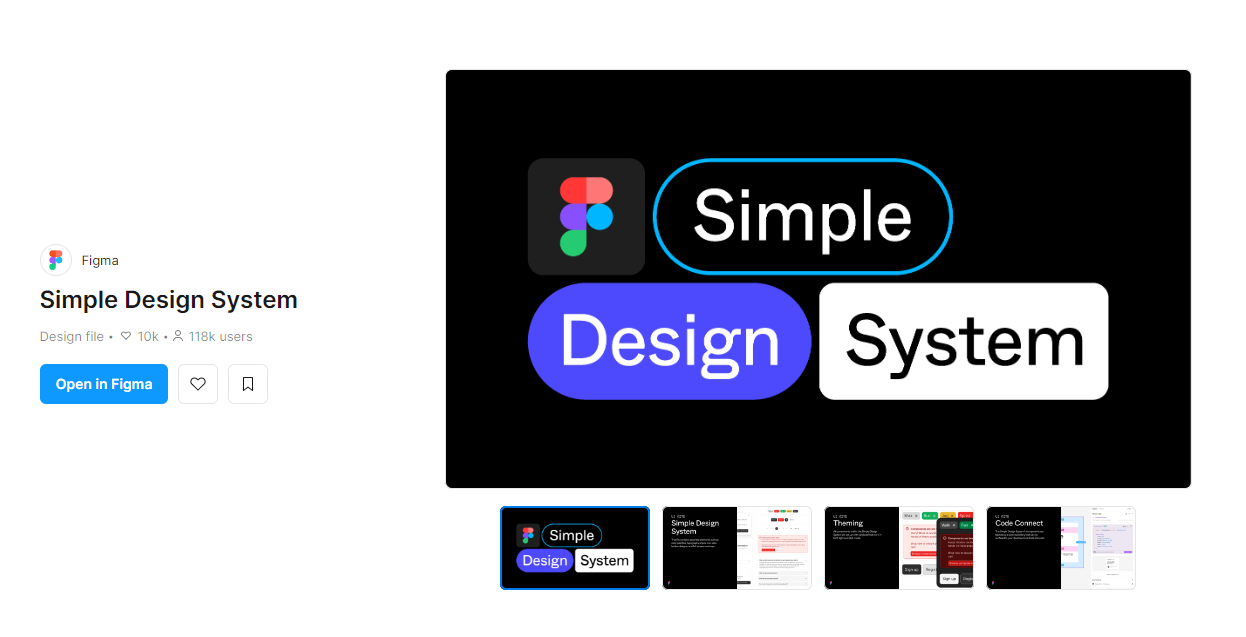
Utilises Figma's Simple System with custom additions including chips, data tables, and sheets to maintain design consistency.
Impact
- 01
Career Track saved the company money by eliminating the need for external software applications such as Tableau, Excel, Solvedio, and others.
- 02
Career Track replaced fragmented, undocumented processes with a unified system, giving managers and trainers a single source of truth for tracking employee skill progression and assigning tasks based on demonstrated competencies.
- 03
Employees gained clear visibility into the skills required for career advancement, reducing ambiguity around role elevation and creating a more transparent path for growth within the organisation.
- 04
Career Track improved workforce quality across multiple company domains, including Manufacturing, Sales, Service, and Energy, by standardising how skills are defined, tracked, and developed at scale.